Buying Medicine
in China
Find pharmacies, explain simple symptoms, buy common medicine, and know when to seek medical help.
Quick answer
Quick answer
Pharmacies are easy to find in Chinese cities.
For minor issues such as a cold, stomach discomfort, or allergies, pharmacists may suggest common medicine. Bring a photo of the product, explain symptoms clearly, and seek medical help for serious or unusual symptoms.
Important note
What pharmacies look like in China
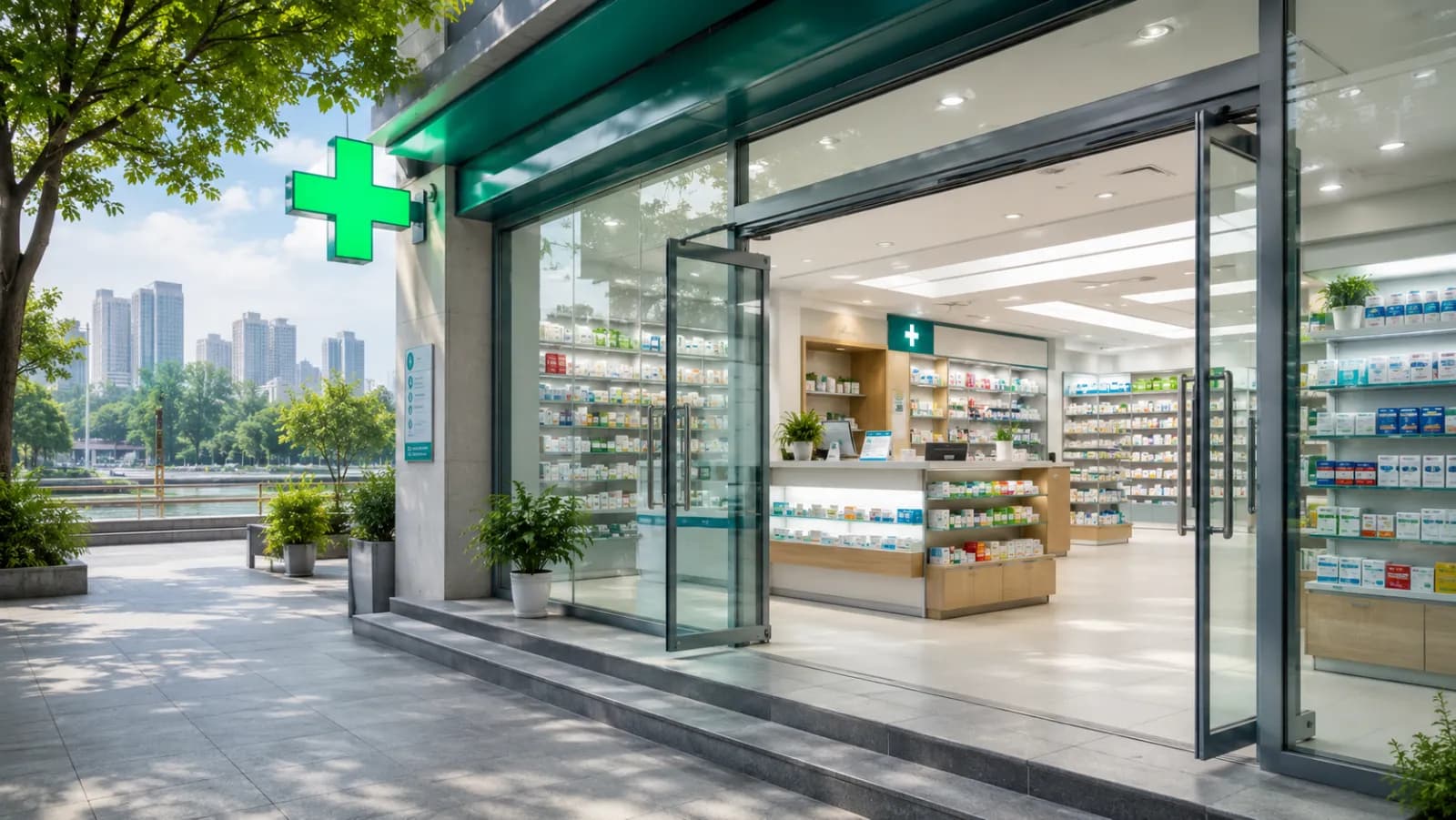
In Chinese cities, pharmacies are common near shopping streets, residential areas, metro stations, hospitals, and shopping malls.
Look for signs such as:
Pharmacy / drugstore. This is one of the most common signs.
Pharmacy counter or medicine shop. Often used near hospitals.
A green or blue medical cross is commonly used for pharmacy signs.
What you can usually buy
Common items travelers may find
- Cold and fever relief
- Stomach medicine or rehydration salts
- Allergy medicine
- Throat lozenges or cough products
- Bandages, antiseptic, and basic wound care
Some medicine may require a prescription
China classifies medicines as prescription or non-prescription. If a medicine is prescription-only, expect the prescription to be checked before it is dispensed. Ask the pharmacist to confirm the classification before buying.
How to buy medicine step by step
Show what you need
If you know the medicine name, show a photo of the package or the active ingredient. If not, explain your symptom simply with a translation app.
Ask if it is suitable for you
Tell the pharmacist if you are pregnant, have allergies, take other medicine, or have a chronic medical condition.
Check dosage and warnings
Medicine packaging may be in Chinese. Use a translation app to check dosage, active ingredients, side effects, and whether the medicine may cause drowsiness.
Keep the receipt and packaging
Keep the medicine box, instructions, and receipt. They are useful if you later visit a doctor or need to explain what you already took.
Useful phrases at the pharmacy
Show these phrases to pharmacy staff if you are unsure how to explain your symptoms or medicine needs.
Is this medicine suitable for me?
这个药适合我吗?
How many times a day should I take it?
一天吃几次?
Should I take it before or after meals?
饭前吃还是饭后吃?
Does this medicine cause drowsiness?
这个药会不会犯困?
Can I take this with my current medicine?
这个可以和我现在的药一起吃吗?
Do I need a prescription for this?
这个需要处方吗?
| English | Chinese |
|---|---|
| Is this medicine suitable for me? | 这个药适合我吗? |
| How many times a day should I take it? | 一天吃几次? |
| Should I take it before or after meals? | 饭前吃还是饭后吃? |
| Does this medicine cause drowsiness? | 这个药会不会犯困? |
| Can I take this with my current medicine? | 这个可以和我现在的药一起吃吗? |
| Do I need a prescription for this? | 这个需要处方吗? |
Chinese words that may help
退烧药
Fever-reducing medicine
止泻药
Anti-diarrhea medicine
过敏药
Allergy medicine
创可贴
Bandage / plaster
消毒液
Antiseptic solution
说明书
Instruction leaflet
When to seek medical help
A pharmacy is useful for minor issues, but it is not a replacement for medical care.
- Severe pain, chest pain, breathing problems, fainting, or confusion
- High fever that does not improve
- Severe allergic reaction or swelling
- Persistent vomiting or dehydration
- Injury, heavy bleeding, or signs of infection
- Any symptom that feels unusual, serious, or difficult to explain
For emergencies, call 120 for ambulance service or go to the emergency department of a hospital.
Official emergency guidanceDo
- Use a translation app and simple words.
- Show photos of medicine packaging or ingredients.
- Check dosage and whether the medicine causes drowsiness.
- Tell the pharmacist about allergies and existing medicine.
- Keep the box and receipt after purchase.
Avoid
- Buying medicine when you are unsure what it is for.
- Mixing several medicines without checking ingredients.
- Assuming foreign medicine names will be recognized.
- Using antibiotics or strong medicine without medical advice.
- Ignoring symptoms that are severe, persistent, or unclear.